Learning Resources and Printable Activities for Special Needs & Early Learners

Why Teaching Social Skills Early makes a Big Difference In Children With Autism
Early Social Skills help children with Autism understand connection, communication, and daily routines better. This blog explains why social learning is important and how simple visual tools can make it easier at home.
ExtraOrdinaryKidsCare Family.
12/2/20252 min read
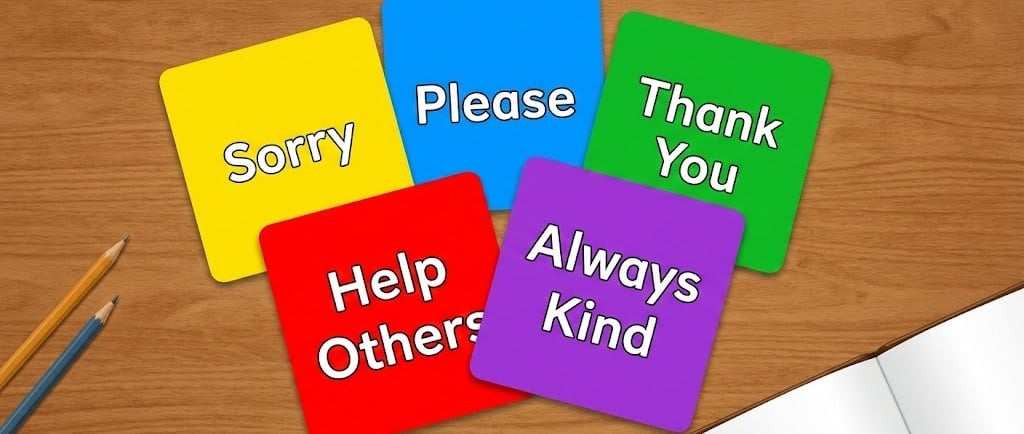
Every child deserves to feel understood, included, and confident.
But for many children with Autism, social situations can feel overwhelming — too many faces, too many rules, too many expectations.
This is why teaching social skills early becomes one of the most powerful gifts a parent can give.
🧩 Social Skills Are Not “Extra” — They Are Life Skills
From saying thank you to waiting for a turn, social skills help children navigate the world safely and confidently.
For neurotypical kids, these skills develop naturally.
But for children with Autism, they often need clear, visual, and step-by-step teaching.
When we teach social skills early:
✨ Children understand what others expect
✨ Anxiety reduces because situations feel predictable
✨ Communication becomes easier
✨ Problem-solving improves
✨ Behaviour challenges decrease
Little skills create big changes.
🧸 Why Early Learning Matters
The younger the child, the more their brain absorbs structure, pattern, and visual cues.
Early social skill teaching helps them learn:
✔️ How to respond when someone asks a question
✔️ What to do in confusing situations (spills, mistakes, accidents)
✔️ How to make friends
✔️ How to express needs politely
✔️ How to stay calm and choose the right behaviour
These are not just lessons — these are tools that follow them throughout their lives.
🖼️ Visuals Make Social Learning Easier
Children with Autism thrive when instructions are:
🌟 Clear
🌟 Predictable
🌟 Visual
That’s why visual flashcards work so well.
At ExtraordinaryKidsCare, we created a Social Skills Situation Flashcard Pack where every card shows:
👉 A real-life situation
👉 A guiding question for parents
👉 A simple, short answer for the child
Example situations include:
• When a friend falls down
• When you spill water
• When you bump into someone
• When you forget to bring your pencil
• When someone gives you a gift
• When you feel angry
…and more.
These visuals help parents teach calmly and consistently — without long lectures.
⭐ How Parents Can Teach Social Skills at Home
Here are simple ways to make social learning part of daily life:
1. Role-Play Everyday Situations
Act it out together. Keep it fun and simple.
2. Use Visual Flashcards
Show one card at a time. Let your child respond or point.
3. Keep Language Short
Children understand better when sentences are clear.
4. Reinforce the Right Behavior
“Good job saying sorry! That was kind.”
5. Practice Before the Real Situation
Prepare them for school, playdates, and outings.
These small moments build lifelong confidence.
💛 You Are Not Alone
Parenting a special needs child takes patience, creativity, and an open heart.
And no matter how small the progress looks, it matters.
Every flashcard you show, every routine you repeat, every little practice you do —
is shaping a child who will feel more understood and more ready for the world.
💛 Explore Social Learning Tools
At ExtraordinaryKidsCare, we design tools that make social teaching easy:
✨ Social Skills Flashcards
✨ Feelings & Emotions Pack
✨ Communication Pack
✨ Action Words Pack
✨ Routine Packs
✨ Worksheets & Brain Games
All created especially for children with Autism, ADHD, and learning delays.
Your purchase helps us continue supporting more families — and helps build a more inclusive world.
“When a child learns a social skill today, they gain confidence for a lifetime. Let’s build that future together — with patience, visuals, and a lot of love.”