Learning Resources and Printable Activities for Special Needs & Early Learners

Why Sensory Kids struggle with sleep- And How to build Calm Bedtime Routine.
Sleep struggles are common for children with Autism, ADHD, and Sensory Sensitivities. This gentle guide helps parents understand why sleep is difficult and shares simple, sensory-friendly strategies to create a calm bedtime routine that actually works.
ExtraOrdinaryKidsCare Family
1/2/20262 min read
If bedtime in your home feels like a daily battle—resistance, tears, restlessness, or endless requests—you’re not alone.
For sensory children, sleep is not just about being tired. It’s about how their brain processes light, sound, touch, movement, and emotions at the end of the day. When the nervous system is overloaded, the body simply cannot relax enough to sleep.
The good news? With the right sensory support and predictable routines, bedtime can slowly shift from stressful to soothing.
🧠 1. Why Sensory Kids Find Sleep Difficult
Sensory children may struggle with sleep because of:
Sensitivity to light, sound, or textures
Difficulty calming the nervous system
Anxiety about transitions
Too much stimulation before bedtime
Changes in routine
📌 Important:
Your child isn’t resisting sleep—they’re struggling to feel safe enough to sleep.
🌗 2. Melatonin & Sensory Overload
Many sensory kids:
Feel tired but can’t “switch off”
Become hyper at night
Wake frequently
This happens because sensory overload delays the body’s natural sleep signals.
📌 Calm input helps the brain release sleep hormones naturally.
🛏️ 3. Create a Sleep-Friendly Bedroom Setup
Small changes make a big difference:
Dim, warm lights (yellow tone)
Blackout curtains
Minimal toys visible
Comfortable bedding (texture matters!)
Weighted blanket (if recommended by therapist)
Predictable space = predictable sleep.
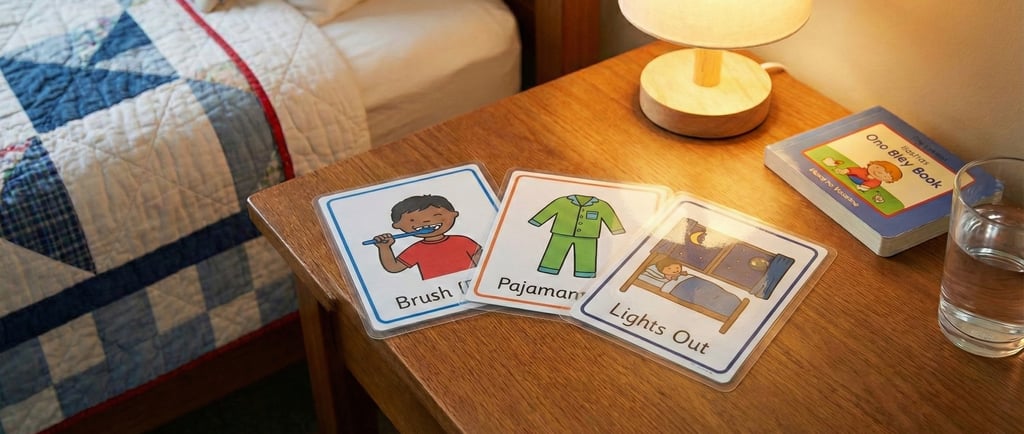
📋 4. Use a Visual Bedtime Routine
Visual routines reduce anxiety because children know what’s coming next.
Example bedtime routine:
Bath
Pajamas
Brush teeth
Story time
Sleep
Use:
Visual routine cards
“First–Then” cards
Same order every night
📌 Less talking, more showing.
🌿 5. Calming Activities Before Bed
Avoid stimulating activities close to bedtime.
Instead, try:
Reading books
Gentle stretches
Deep pressure hugs
Soft music or white noise
Quiet sensory toys
❌ Avoid screens at least 1 hour before sleep.
💬 6. What to Say at Bedtime
Instead of: ❌ “Go to sleep now!”
Try: ✅ “Your body is getting ready to rest.” ✅ “You are safe. I’m right here.” ✅ “After story, it’s sleep time.”
Reassurance calms the nervous system.
⏳ 7. Progress Takes Time—and That’s Okay
Sleep routines:
Take consistency
Improve slowly
May have setbacks during illness or change
Even small improvements matter.
Sleep is not a skill children fail at—it’s a state they reach when they feel safe, calm, and regulated.
With patience, visuals, and sensory awareness, bedtime can become a moment of connection instead of conflict.
“Gentle routines tonight create calmer mornings tomorrow.”
“At ExtraordinaryKidsCare, we believe restful sleep begins with understanding—not pressure.”