Learning Resources and Printable Activities for Special Needs & Early Learners

A Sensory-friendly Home: Simple Changes That Bring Big Comfort to Your Child
Learn how to set up a sensory-friendly home with simple tips for calm corners, visual supports, sleep routines, study spaces, and movement zones. Perfect for parents of children with Autism, ADHD, and Sensory processing needs.
ExtraOrdinaryKidsCare Family
12/10/20252 min read
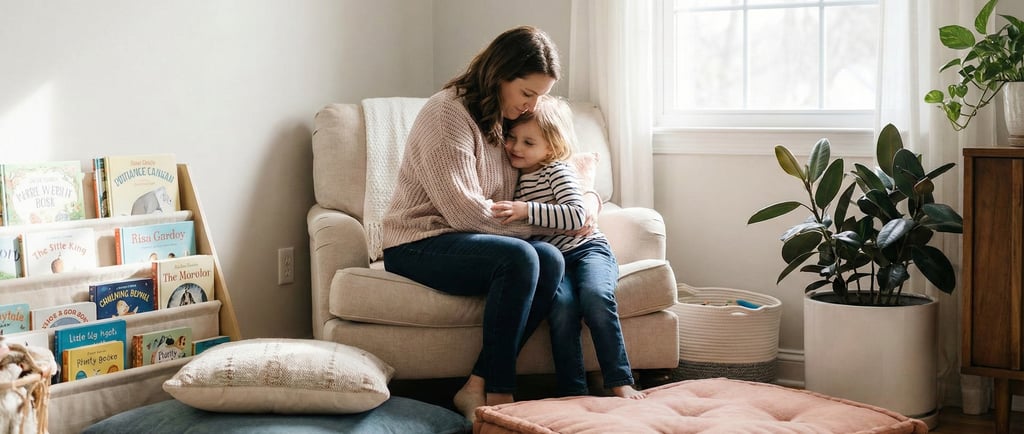
A Guide to Creating a Sensory-Friendly Home Setup for Your Child
Every child deserves a space where they feel safe, calm, and understood — especially children with Autism, ADHD, and sensory needs. A sensory-friendly home is not about expensive furniture or fancy rooms. It’s about small, thoughtful changes that help your child feel more regulated, confident, and connected.
In this guide, let’s explore simple ways to create a home environment that supports sensory needs and makes everyday routines smoother.
1. Create a Calm Corner (The Cozy Safe Space)
A “Calm Corner” helps your child reset when they feel overwhelmed.
Include things like:
Soft cushions or bean bag
Weighted blanket
Small dim light or fairy lights
Noise-cancelling headphones
Fidget toys / stress ball
Why it helps: Children learn to self-regulate, instead of crying, shouting, or shutting down.
2. Keep Color Tones Soft & Simple
Bright colors can be overstimulating.
Try:
Soft blue, pastel green, cream, light yellow
Avoid red/fluorescent colors in study or sleep areas
📌 Why it helps: Calming colors reduce restlessness and help with focus.
3. Reduce Noise Triggers
Children with sensory sensitivity react strongly to sudden or loud sounds.
Help them by:
Using thick curtains or carpets
Using a white noise machine or calming music
Reducing appliance sounds (door dampers, soft-close drawers)
Why it helps: Predictable and quieter sounds make home feel safe.
4. Visual Supports Around the Home
Visual cues reduce confusion and help your child feel more independent.
You can add:
Daily routine charts
Flashcards for dressing, brushing, eating
Labels on cupboards, toy boxes, shelves
Why it helps: Less verbal repeating for parents, more clarity for kids.
5. Sensory-Friendly Study Area
Make a study corner free of distractions.
Set up with:
One table + one chair (no extra toys nearby)
A small organizer for stationery
Neutral wall behind the child
Timer for tasks
Flashcards for activity instructions
Why it helps: Helps ADHD & sensory kids avoid overstimulation and focus better.
6. Add Movement Break Zones
Kids need movement to regulate their body.
Ideas:
Mini trampoline
Swing (if space)
Crash corner with pillows
Wall push-ups / animal walks
Why it helps: Releases extra energy and prevents meltdowns.
7. Sensory-Safe Eating Setup
Eating is one of the biggest sensory challenges.
Try:
Plates with compartments
Vibrations / noise reduced
Slow introduction of new textures
Visual menu for each meal
Why it helps: Reduces picky eating and mealtime stress.
8. Sleep-Friendly Bedroom Setup
Better sleep = better behavior, focus, and emotional control.
Support sleep by:
Dim warm lighting
Blackout curtains
Minimal toys in room
Weighted blanket (if recommended)
Bedtime visual routine
Why it helps: Helps the brain wind down and decreases nighttime anxiety.
💛 Creating a sensory-friendly home is not about perfection — it’s about connection.
Every small change you make builds confidence, comfort, and emotional safety for your child.
💛“Your home doesn’t need to be perfect, it just needs to feel safe—because when your child feels understood, they bloom.”
“At ExtraordinaryKidsCare, we stand with you—every routine, every challenge, every win. Let’s raise extraordinary little champs together.”