Learning Resources and Printable Activities for Special Needs & Early Learners

A Parent's Guide to Winter Meltdowns: Helping Special Needs Children Feel Calm And Safe
Winter brings routine changes, sensory challenges, and unpredictable days — a mix that can increase meltdowns in children with Autism, ADHD, and special needs. This warm and practical guide explains why winter meltdowns happen and how simple visual tools from ExtraordinaryKidsCare can help children feel calmer, safer, and more confident through the season.
ExtraOrdinaryKidsCare Family
11/24/20252 min read
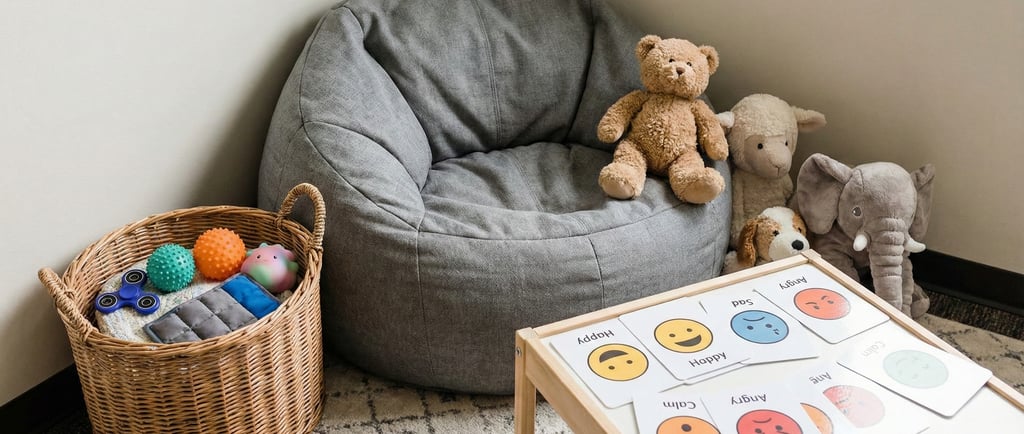
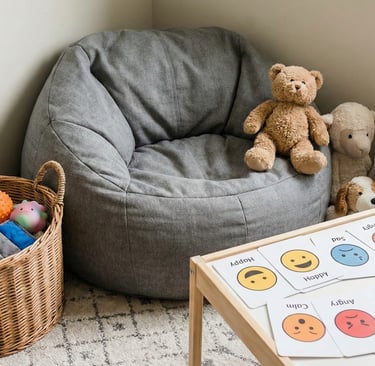
Winter vacation is a magical time — warm rooms, festive lights, relaxed mornings…
But for many special needs children, winter also brings sudden changes in routine, new clothes, loud celebrations, and unpredictable days.
All of this can be overwhelming.
And when the world feels “too much,” meltdowns are not misbehavior — they are communication.
This guide is for every parent who wants to understand their child better and bring more peace into winter days.
❄️ Why Meltdowns Increase in Winter
1. Routine changes → Increased anxiety
No school, different wake-up times, visitors coming home — all this breaks the child’s predictable world.
2. Sensory discomfort
Winter clothes can feel scratchy or tight.
Cold air can feel painful for some children.
Festive sounds can feel too loud.
3. More indoor time
Kids with ADHD or sensory needs have extra energy with fewer ways to release it.
4. Communication becomes harder
When routines change, children may not have the words to express what they feel.
💛 How Visual Support Reduces Winter Meltdowns
Visual tools give children clarity, comfort, and predictability.
✔️ Daily Routine Charts
Show the child exactly what is happening today.
This removes fear of “what’s next?”
“Morning Routine → Free Play → Lunch → Coloring Time → Outdoor Walk → Dinner → Storybook”
Your Daily Routine Pack (with reward chart) is perfect for this season.
✔️ Emotion Cards & Emotion Wheel
Children point to how they feel instead of crying or shutting down.
“Cold”, “Tired”, “Overwhelmed”, “Sad”, “Need Break”
This prevents frustration from turning into a meltdown.
✔️ Behavior & Social Situations Flashcards
Winter brings confusing moments — guests visiting, sharing toys, noise, new activities.
Use social cards to teach:
“What to do when you feel angry”
“How to ask for help”
“What to do when something spills”
“How to talk to visitors”
✔️ Brain Games & Puzzles (Perfect for winter vacation!)
Indoor activities that improve:
Focus
Calmness
Problem solving
Confidence
🌿 Simple Strategies Parents Can Use at Home
1. Create a Winter Visual Schedule
Use your routine cards to plan morning–evening flow.
Children feel safe when they can “see the day.”
2. Add a Comfort Basket
Include:
Soft toy
Noise-cancelling headphones
Sensory fidget
Emotion flashcards
3. Keep Instructions Short + Visual
Instead of:
“Don’t make noise! Visitors are coming, sit properly, and finish your food.”
Try:
(Show flashcard → “Quiet time.”)
(Show card → “Visitors coming.”)
4. Offer a Break Before a Meltdown Starts
Use a “Take a Break” card to give them space.
5. Give Choices
Let them choose between two shirts, two activities, or two snacks.
🧡 How ExtraordinaryKidsCare Supports Families in Winter
At ExtraordinaryKidsCare, we design tools that make learning and daily life easier for children — especially when routines are stressful.
For winter season, parents love:
✨ Daily Routine Pack + Reward Chart
✨ Feelings & Emotions Pack
✨ Behavior Flashcards
✨ Communication Flashcards
✨ Action Words Pack
All printable, simple, and created with love.
💞 “Every meltdown is a message — and every visual you use becomes a bridge between your child and their calm.”
This winter, let’s walk that journey together. 💛